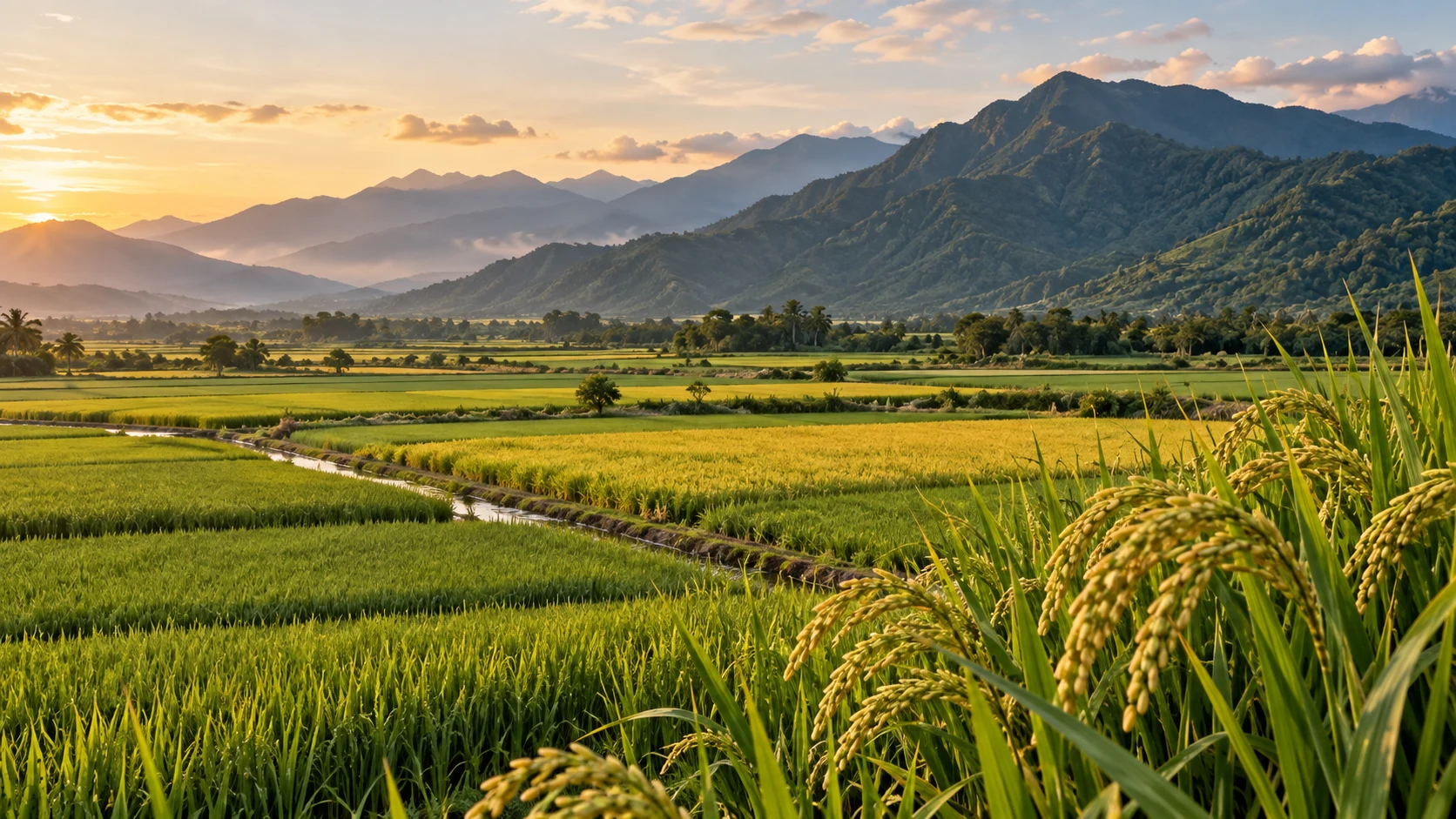
 01 / FIELD INTELLIGENCE From observation to decisions
Crop physiology · Smart agriculture · Sustainable production
Bring research to the field.
Grow resilience in agriculture.
Grow resilience in agriculture.
01
ABOUT
Start with the crop.
Find answers in the field.
Find answers in the field.
requires understanding life and reading data.
ACADEMIC ROLENational Pingtung University of Science and Technology Department of Plant Industry · Professor
TRAININGNational Taiwan University Ph.D. in Agronomy
02 RESEARCH
One field. Many possibilities.
Showing all
01 / FIELD INTELLIGENCE From observation to decisions
02 / PLANT × MICROBEGrowth has unseen partners.
Explore resilience through microbes.
03 / CROP RESILIENCEFinding resilience in a changing environment.
Understand stress. Discover crop potential.
04 / CIRCULAR AGRICULTUREA new beginning for resources.
Give by-products a new purpose.
03 TEACHING
The best classroom
can also be a field.
can also be a field.
LEARNING IN THE FIELD
From “how much has it grown?”
to “why does it grow this way?”
to “why does it grow this way?”
Recognize the transition from vegetative to reproductive growth. Record growth stages, weather, and management events together. Compare differences between fields and propose testable hypotheses.
FROM FIELD TO TABLE
The quality of a grain
has more than one answer.
has more than one answer.
Distinguish yield performance from quality indicators. Compare assessment of appearance and eating quality. Frame a cultivation question that considers both production and markets.
ASK BETTER QUESTIONS
The value of technology
starts with an agronomic question.
starts with an agronomic question.
Define the crop, management question, and measurable indicators. Understand controls, replication, and treatment arrangement. Compare model predictions with field measurements and examine their limits.
A SMALL TOOL FOR BIG QUESTIONS
Field observation notebook
Choose a rice growth stage to begin observing.
TODAY'S OBSERVATION
Establish a seedling baseline
Record seedling height, leaf color, and uniformity. Note recovery after transplanting, the observation date, and the field.
Ask: are initial seedling conditions comparable between treatments?CSV format · 10 observation columns
04 SELECTED PUBLICATIONS
Research you can trace.
Utilization of Rhodopseudomonas palustris in Crop Rotation Practice Boosts Rice Productivity and Soil Nutrient Dynamics
Foliar Application of Rhodopseudomonas palustris Enhances the Rice Crop Growth and Yield under Field Conditions
Different Drought-Tolerant Mechanisms in Quinoa (Chenopodium quinoa Willd.) and Djulis (Chenopodium formosanum Koidz.) Based on Physiological Analysis
A selection of published research. Use the original bibliographic details for formal citations.
05 AWARDS & HONORS
Awards & Honors
In 2026, the Ministry of Education held the Climate Change Creative Competition and won the silver award
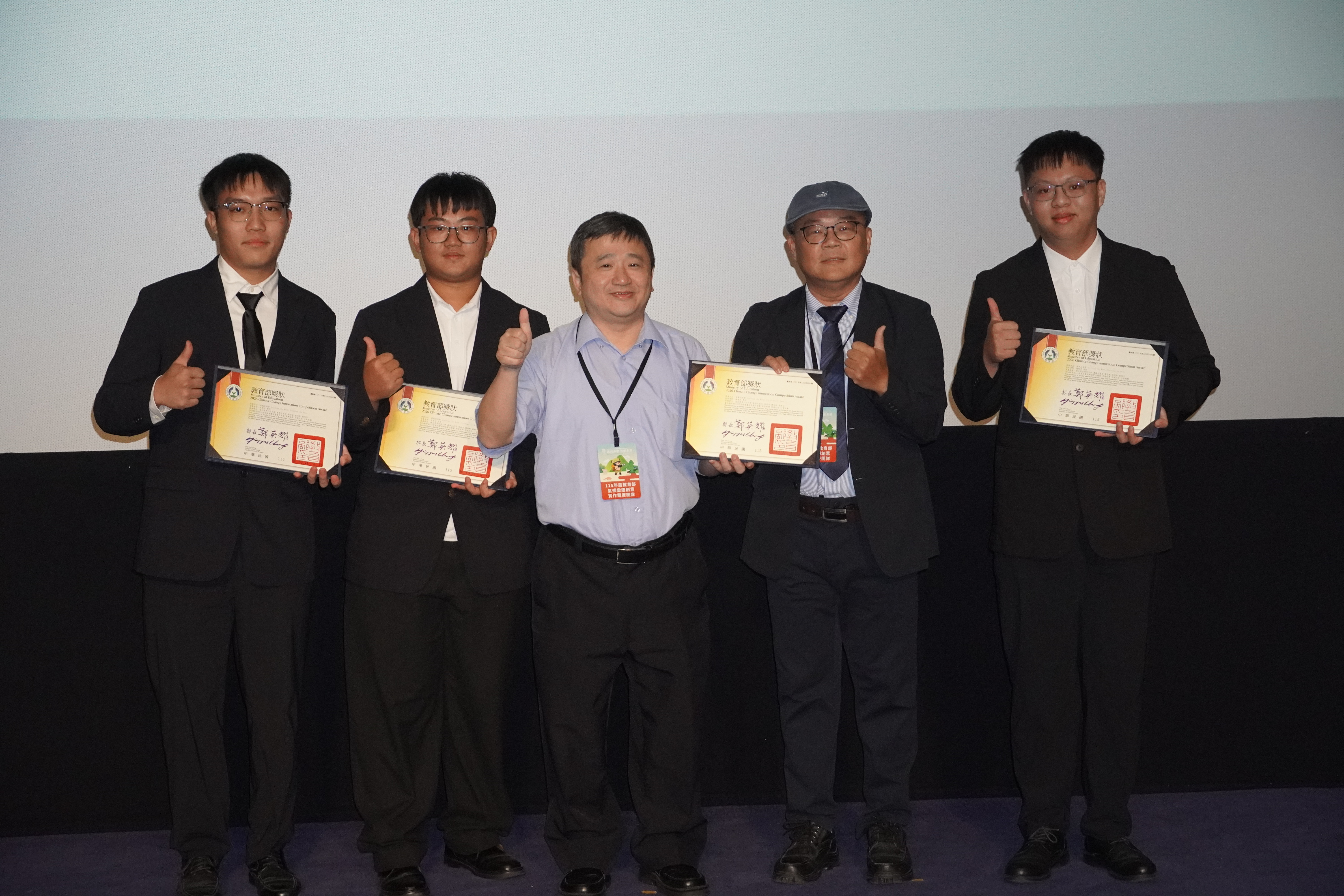
2026 Central District New Masters won the championship

06 FIELD CONVERSATIONS
Good questions deserve a conversation.
Share field observations, research methods, and cultivation experience.
Everyone can read. Sign in to join the conversation.
Start with a real question from the field.
GROW IDEAS TOGETHERDescribe the crop, environment, and observations so others can compare experiences in context. Research ideas and field experience are both welcome.
Loading discussions…
Keep conversations constructive.Respect different perspectives and cite sources for research claims. Your display name, posts, and timestamps are public; your email is private. You can delete your own contributions, and the site owner can moderate all discussions.
07 CONNECT
The next good question
might begin with
a conversation.
might begin with
a conversation.
1, Shuefu Road, Neipu, Pingtung County, Taiwan
Tell me about your idea.
Let us start with a specific question.